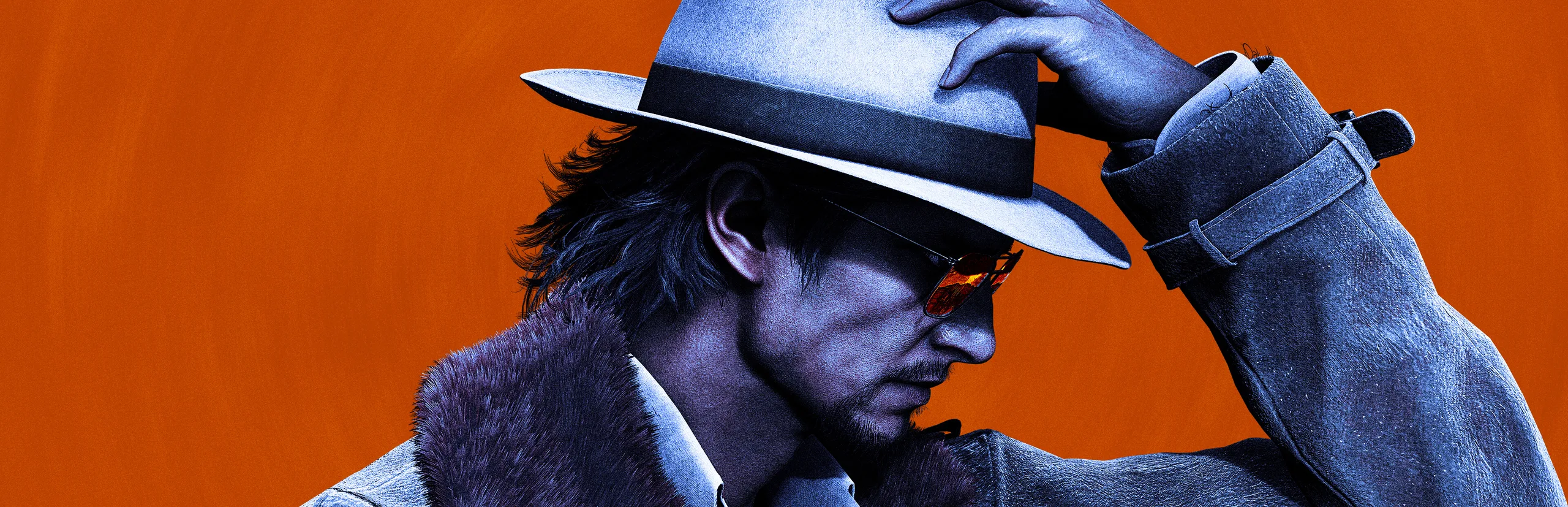
STRANGER THAN HEAVEN
STRANGER THAN HEAVEN is RGG Studio's action adventure about Makoto Daito, whose life changes from 1915 to 1965 across five Japanese cities and decades. Player choices shape his career, encounters and the role of show business in his life.
Compare prices
- Developer
- Ryu Ga Gotoku Studio
- Publisher
- SEGA
- Genre
- Action, Adventure, RPG
- Game modes
- Singleplayer
- Game series
- STRANGER THAN HEAVEN
- Also known as
- Project Century
- At Steam
- View store page
On this page 15 sections
What is STRANGER THAN HEAVEN?
STRANGER THAN HEAVEN is an action-adventure from RGG Studio and SEGA. The story follows Makoto Daito over roughly 50 years of his life – from 1915 to 1965 – and shows five different eras and Japanese cities.
The world changes visibly over the decades. Architecture, fashion, culture, language and Daito's own demeanour evolve along with his surroundings.
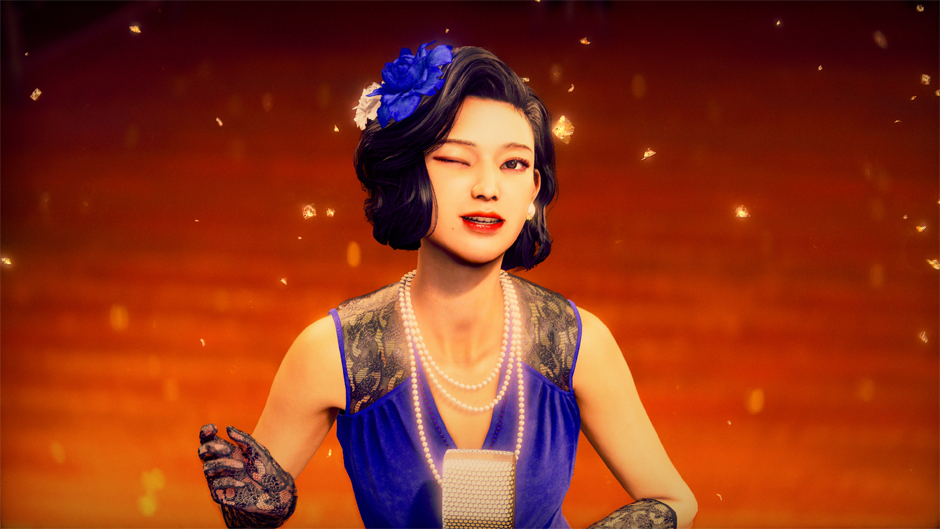
The cast also includes Keiko Shirai, played and voiced by singer Ado. At TGS 2026, SEGA showed a cutscene featuring her character publicly for the first time, after the material had previously only been viewable in the closed-off TGS theatre.
Updated 20.09.2026
Sources
- STRANGER THAN HEAVEN – offizielle Website stranger-than-heaven.com
- GAME Watch: RGG-Interview game.watch.impress.co.jp
- GAME Watch: Erstes öffentliches Keiko-Shirai-Video mit Ado game.watch.impress.co.jp
Release
STRANGER THAN HEAVEN releases worldwide on January 15, 2027. Alongside the standard version, SEGA offers Deluxe and Collector packages; the separately sold Deluxe Upgrade is a DLC and not a standalone base game.
-
PC, PS5, Xbox Series X|S
Planned worldwide release.
Source
- STRANGER THAN HEAVEN – offizielle Website stranger-than-heaven.com
Updated 17.10.2026
Sources
- Offizielle Website stranger-than-heaven.com
- Steam store.steampowered.com
Platforms
Native versions for PC, PlayStation 5 and Xbox Series X|S are confirmed. The Xbox version supports Game Pass from release and Play Anywhere.
Updated 20.09.2026
Sources
- Offizielle Plattformen stranger-than-heaven.com
Gameplay
The combat system deliberately focuses on a physical, direct style. RGG Studio does not want to follow current action trends, but to make blows, weapons and improvised objects feel as tangible as possible. For the TGS version, the crowbar in particular was reworked extensively.
Player behaviour influences Daito's development and in part also which people he meets. This is meant to tie his life path more closely to the way the player experiences the decades.
A second central system is showbusiness. Daito gathers musical inspiration, develops songs from it, builds up artists and stage productions, and takes care of promoting his shows. SEGA now also shows these steps in a dedicated gameplay overview. The developers describe showbusiness not as a minigame on the side, but as one of his livelihoods.
Updated 25.09.2026
Sources
- GAME Watch: Daito, Entscheidungen und Showbusiness game.watch.impress.co.jp
- 4Gamer: Kampf und fünf Epochen 4gamer.net
- Famitsu: bewusst körperliches Kampfsystem famitsu.com
- SEGA / RGG Studio – STRANGER THAN HEAVEN Show Business In-Depth Look youtube.com
Trailer
DLCs and expansions
Announced
System requirements
The details apply to PC.
Minimum
- Operating system
- Windows
Developer details on Steam
Sources
- Steam store.steampowered.com
Characters and cast
Makoto Daito is played by Yu Shirota, his friend and later rival Yu Shinjo by Dean Fujioka. The 50-year story's defining characters also include Orpheus with Snoop Dogg, singer Suzy Day with Tori Kelly, Takashi with Satoshi Fujihara, the mysterious stranger with Cordell Broadus and Keiko Shirai with Ado.
RGG Studio also uses historical likenesses for some roles: Genzo Iwaki bears the appearance of Bunta Sugawara, who died in 2014, and is voiced by Takashi Ukaji. Amaru is based on Tupac Shakur. SEGA explicitly states that the respective rights holders or families approved both depictions; according to SEGA, no generative AI was used for Tupac's likeness.
Updated 24.09.2026
Sources
- STRANGER THAN HEAVEN – offizieller Cast stranger-than-heaven.com
- Xbox Wire / SEGA – Key Players Shaping Makoto Daito’s Journey news.xbox.com
Five cities and eras
Makoto Daito's story runs through five clearly separated locations and time periods. 1915 his journey begins in Kokura in Fukuoka, a city shaped by industry and hard work. 1929 the action moves to Kure in Hiroshima, whose harbour and naval arsenal define the setting.
1943 brings Daito to Minami in Osaka, a major entertainment district in the middle of the war years. 1951 follows Atami in Shizuoka, a tourism-focused coastal town of the postwar period. The finale is 1965 Shinjuku in Tokyo, which RGG Studio stages as a particularly chaotic and unpredictable district. The changing cities are more than just backdrops: architecture, culture and Daito's social environment change with each era.
Updated 25.09.2026
Sources
Kokura 1915
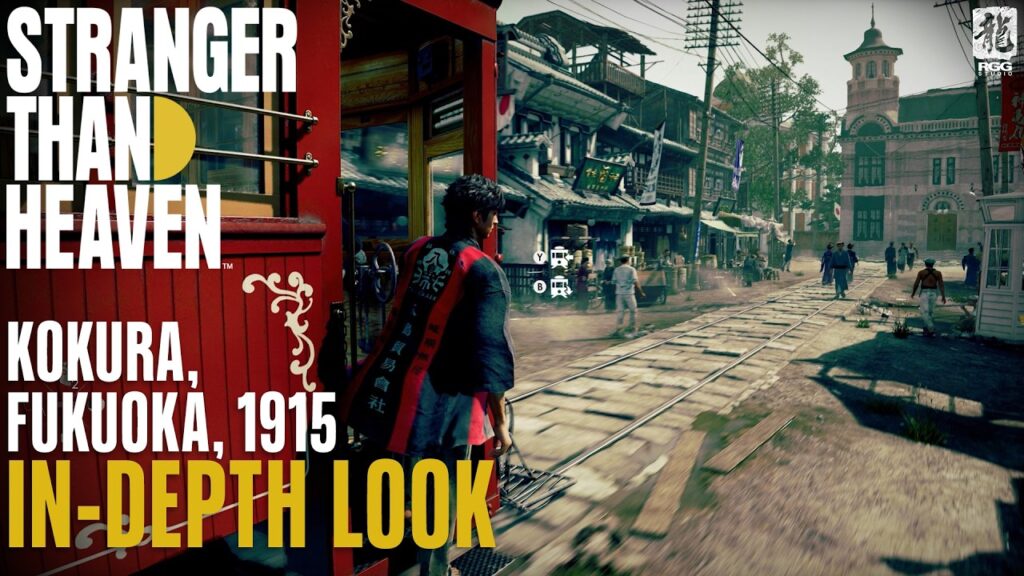
The first Japanese chapter is set in 1915 in Kokura in Fukuoka. RGG Studio presents the town as a transitional space between old and new times: traditional tiled roofs stand beside the chimneys of the steel industry, locomotives and trams. Workers from the steelworks, as well as people in traditional and Western-style clothing, shape the streetscape.
Kokura is more than just a backdrop. Players can visit shops and facilities, explore buildings, fish in the river and use the tram to get around. Period-typical leisure activities include arm wrestling, Menko and Beigoma. Everyday activities such as exploring, eating and playing are linked to Daito's character development and unlocking abilities.
The story begins before the arrival in Kokura: Makoto Daito, born in San Francisco, loses his parents and leaves the US after racist exclusion. Searching for a home in the country of his Japanese mother, he secretly boards the ship of the merchant Orpheus in 1915. There he meets Yu Shinjo, who later becomes his close confidant and rival. The first official story trailer from October 16, 2026 shows the transition from this escape to Daito's difficult new start in Kokura. This origin explains the overarching conflict of his life path without anticipating the later eras.
Updated 16.10.2026
Sources
- SEGA – Städte Kokura, Kure und Minami sega.jp
- RGG Studio – Kokura 1915: Gameplay-Einblick youtube.com
- SEGA – offizielle Vorgeschichte von Makoto Daito sega.co.jp
- SEGA – Act 1 Kokura Story Trailer youtube.com
Kure 1929
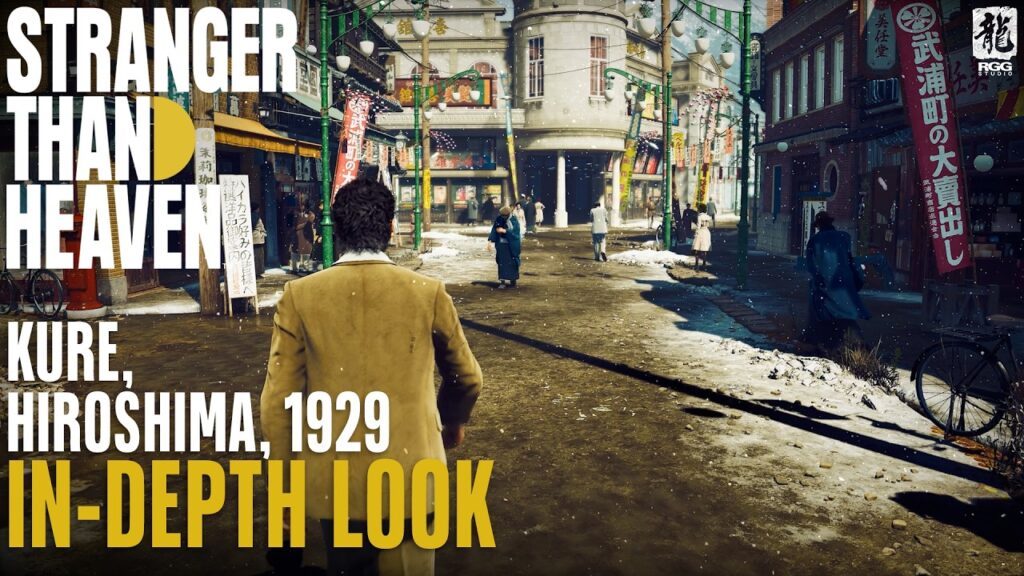
The second major time chapter takes Makoto Daito to Kure in Hiroshima in 1929. RGG Studio presents the town as a three-dimensional naval harbour of winding slopes and canals, shaped by shipbuilding and a strong naval presence. At the same time, a distinct entertainment culture is growing; Western clothing and foreign influences are far more visible on the streets than before.
Players can continue familiar leisure activities such as Beigoma, but in Kure they gain additional options such as bathhouses and Tehonbiki. As in the other eras, exploration, food and leisure are linked to Daito's character development.
Updated 30.09.2026
Sources
- SEGA / RGG Studio – Kure 1929 und Stadtaktivitäten ryu-ga-gotoku.com
- RGG Studio – 1929 Kure, Hiroshima In-Depth Look youtube.com
Minami 1943
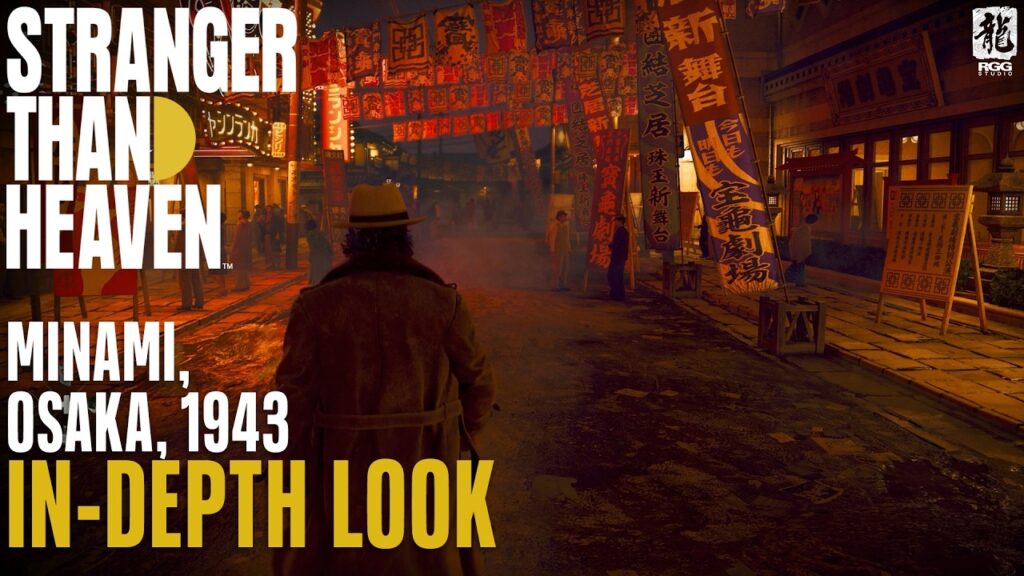
The third major time chapter takes Makoto Daito to Minami in Osaka in 1943. RGG Studio portrays the district as a major entertainment centre, where modern buildings and numerous theatres stand alongside the burdens of wartime. Supply shortages and restrictions shape everyday life; behind the busy main streets lie darker alleys with simple residential houses, wooden shops and black market areas.
The distinctive theatre and music culture is also closely tied to Daito's development: in Minami, his role as showman and promoter continues to grow. This section thereby permanently links the historical city backdrop with the game's showbusiness system.
Updated 02.10.2026
Sources
- SEGA / RGG Studio – Minami 1943 und Showbiz ryu-ga-gotoku.com
- RGG Studio – 1943 Minami, Osaka In-Depth Look youtube.com
Similar games

More from Ryu Ga Gotoku Studio


Game series
STRANGER THAN HEAVEN is a new standalone brand from RGG Studio. The early project name was Project Century; the official title was later set as STRANGER THAN HEAVEN.
Updated 20.09.2026
Sources
- Offizielle Website stranger-than-heaven.com
