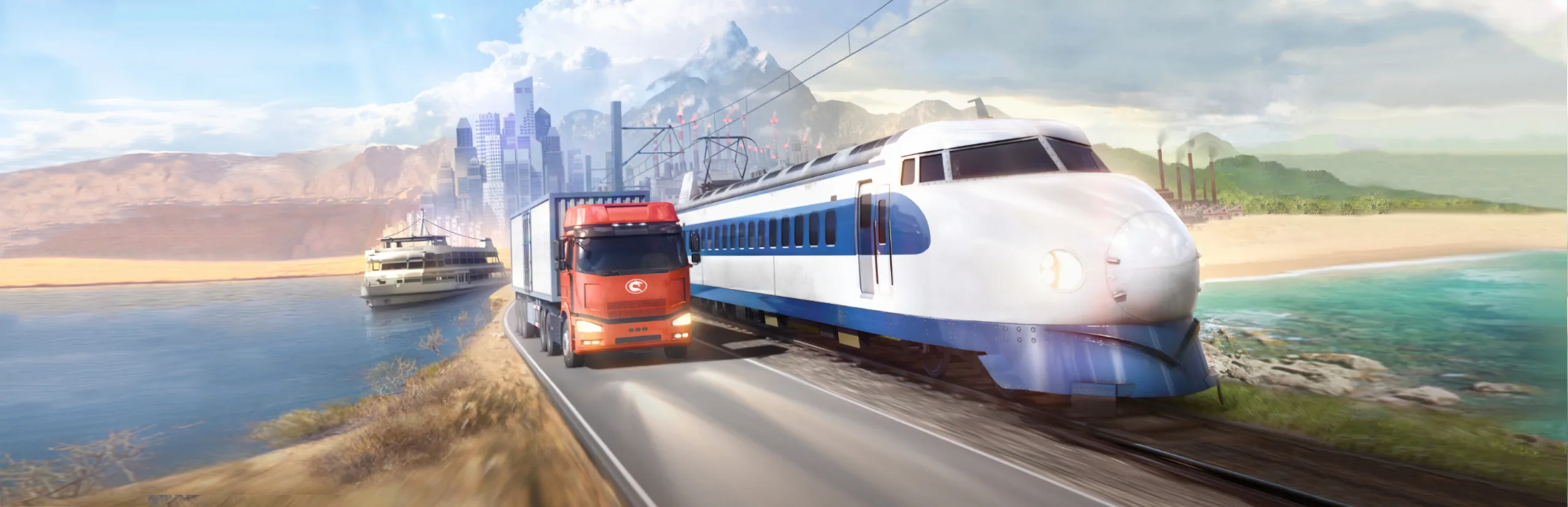
Transport Fever 2
Transport Fever 2 is an economic and transport simulation by Urban Games. Players plan rail lines, roads, shipping routes and airports, transport people and goods, and build their own transport networks from the 19th century to the present day. The game came out in 2019 for PC and in 2023 for PlayStation and Xbox.
Compare prices
- Developer
- Urban Games
- Publisher
- Good Shepherd Entertainment
- Genre
- Aufbauspiel, Management, Simulation, Strategie
- Game modes
- Singleplayer
- Game series
- Transport Fever
- Steam user reviews
- 90 % positive · 32,908 reviews
- At Steam
- View store page
On this page 21 sections
What is Transport Fever 2?
Transport Fever 2 is an economic and transport simulation by Urban Games. You plan and run a growing network of railways, roads, shipping routes and flight connections. You transport passengers, raw materials and finished goods and decide how cities and industrial plants are connected.
The game begins in the 19th century and, with its vehicle selection, extends into the modern era. In addition to several historical campaigns, a free mode is available.
Updated 29.10.2026
Release
Transport Fever 2 was released for PC on Dec 11, 2019. The Console Edition for PlayStation 4, PlayStation 5, Xbox One and Xbox Series X|S followed on Mar 9, 2023.
The console versions have adapted controls. The PC version offers additional options through mods and the Steam Workshop.
-
PS4, PS5, Xbox One, Xbox Series
Released on Mar 9, 2023.
Updated 29.10.2026
Platforms
Transport Fever 2 is natively available for PC, PlayStation 4, PlayStation 5, Xbox One and Xbox Series X|S. On PC, Windows, macOS and Linux are supported. The Console Edition was released in 2023 for both the PlayStation and Xbox generations at the same time.
The different console versions remain separate products. Backward compatibility does not replace a native release.
Updated 29.10.2026
Gameplay
Every route connects demand with a suitable transport option. You deploy trains and buses, build up freight traffic with trucks, and add ports or airports. Timetables, vehicle capacities, utilisation and operating costs decide whether the network works economically.
A new line can transform entire supply chains. When deliveries arrive more often, industries and cities grow and in turn need additional capacity.
Updated 29.10.2026
Trailer
DLCs and expansions
The Deluxe Edition was released on Mar 9, 2023, together with the new console versions. The Deluxe Upgrade Pack adds three scenarios, six historical vehicles, more animal species and additional music to the base game. It is an expansion, not a standalone transport game.
The separately available Early Supporter Pack includes five alternative vehicle designs, including variants for the Lockheed Super Constellation and the TGV Sud-Est. It was also released on Mar 9, 2023, and was initially a bonus for the Deluxe Edition. Since September 2024, it can also be bought on its own. Both packs require the base game.
Updated 29.10.2026
System requirements
On Windows, Transport Fever 2 requires at least an Intel Core i5-2300 or AMD FX-6300, 8 GB RAM and a GeForce GTX 560 or Radeon HD 7850 with 2 GB graphics memory. Recommended are a Core i7-4770K or Ryzen 5 1600, 16 GB RAM and a GTX 1060 or RX 580.
Separate system specs have been published for macOS and Linux.
The details apply to PC (Windows).
Minimum
- Processor
- Core i5-2300 / FX-6300
- RAM
- 8 GB
- Graphics
- GTX 560 / Radeon HD 7850 (2 GB VRAM)
Recommended
- Processor
- Core i7-4770K / Ryzen 5 1600
- RAM
- 16 GB
- Graphics
- GTX 1060 / RX 580 (4 GB VRAM)
Editorial details
Updated 29.10.2026
Sources
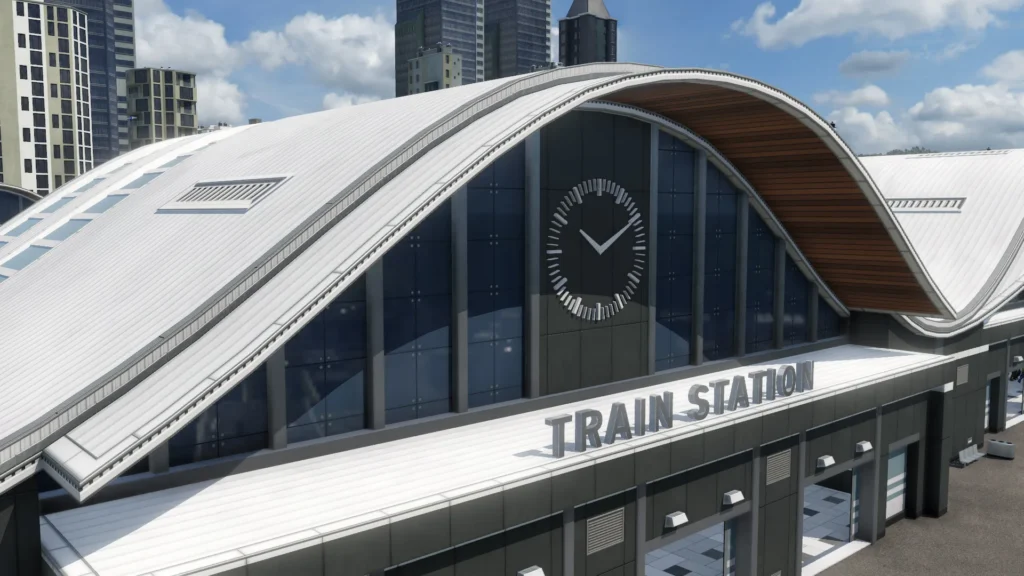
Railways and train stations
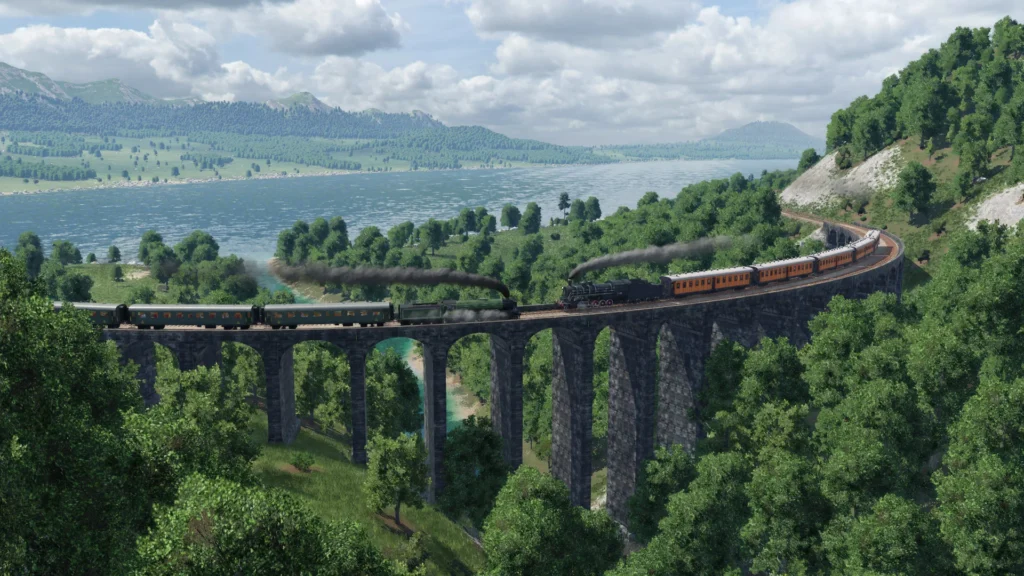
Stations, tracks, signals and lines can be combined into complex rail networks. Several trains can share routes if the signalling and capacities are right. Over time, more powerful locomotives and multiple-unit trains replace older vehicles.
Modular platforms and terminals let you adapt the infrastructure to growing traffic.
Updated 29.10.2026
Sources
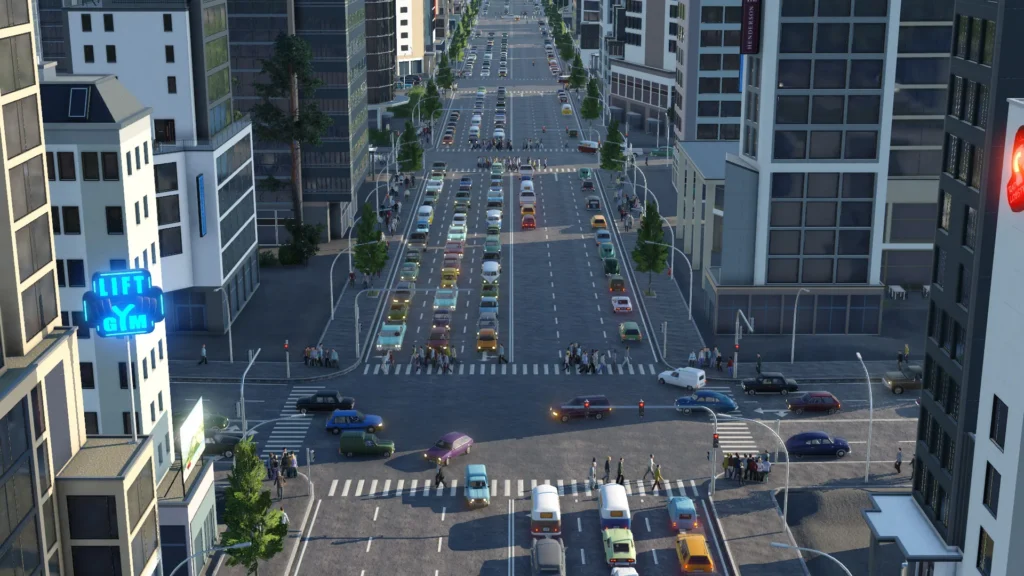
Roads, buses and trucks
Buses and trams connect city districts and train stations. Trucks handle deliveries between sites, storage points and freight stations. As demand rises, traffic jams and stops that are too small can slow down the entire network.
The game shows traffic flows and utilisation so that bottlenecks can be spotted precisely.
Updated 29.10.2026
Sources
Ships and ports
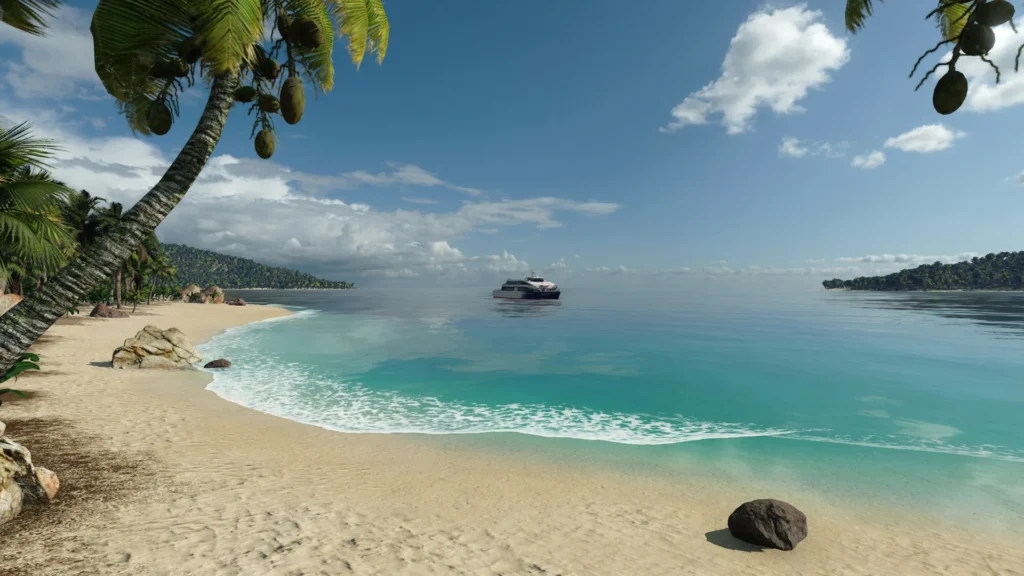
On maps with rivers, lakes and coastlines, ships transport goods and passengers. Port facilities create connections to road and rail lines. Ships pay off mainly on longer suitable waterways, but need suitable terminals and a working connecting network.
Updated 29.10.2026
Sources
Air travel and airports
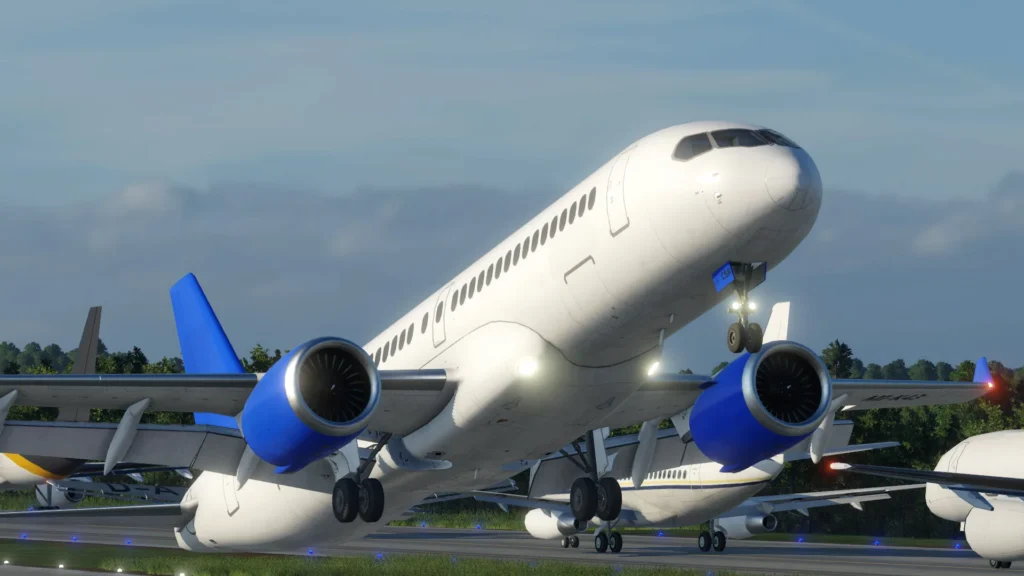
Airports let you connect cities that are far apart. Aircraft extend the network with fast long-distance routes, but require high investment and enough passengers. For a successful connection, the feeder routes to the airports must also work.
Updated 29.10.2026
Sources
Industries and supply chains
Industrial sites need raw materials and process them into intermediate or final products. The task is to keep supply chains consistently supplied with suitable vehicles, loading points and routes. Companies earn from goods and passengers that are actually transported.
Production, goods flow and urban development interlock, so investments often only pay off over time.
Updated 29.10.2026
Campaigns across three continents
Transport Fever 2 has three campaigns that explore the history of transport and industrialisation in different parts of the world. Tasks and set challenges introduce you to the core construction and economic systems.
Besides that, free mode offers room for your own transport projects without a set storyline.
Updated 29.10.2026
Sources
Free play and maps
In free play, you can adjust the landscape, climate and economic starting conditions. Various map types and terrain shapes are available. Your network is built without fixed missions and can be expanded over many decades.
The map editor and terrain tools let you create new worlds for special transport tasks.
Updated 29.10.2026
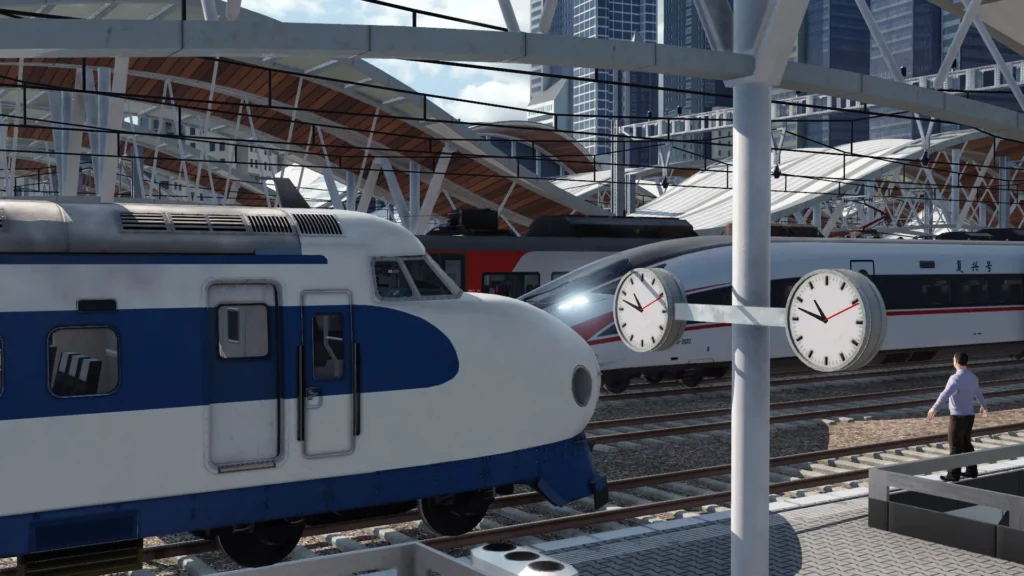
Vehicles from the 19th century to today
More than 200 historical and modern vehicles are available for land, water and air transport. The selection includes steam locomotives, modern trains, buses, trucks, ships and aircraft. New technology allows higher speeds and capacities, but often requires more expensive infrastructure.
Updated 29.10.2026
Sources
Mods and Steam Workshop
The PC version supports the Steam Workshop. Players can add vehicles, buildings, maps and other community-made extensions. These options are especially interesting for historical networks and regional vehicle fleets.
On consoles, the PC Workshop features are not available in the same form.
Updated 29.10.2026
Sources
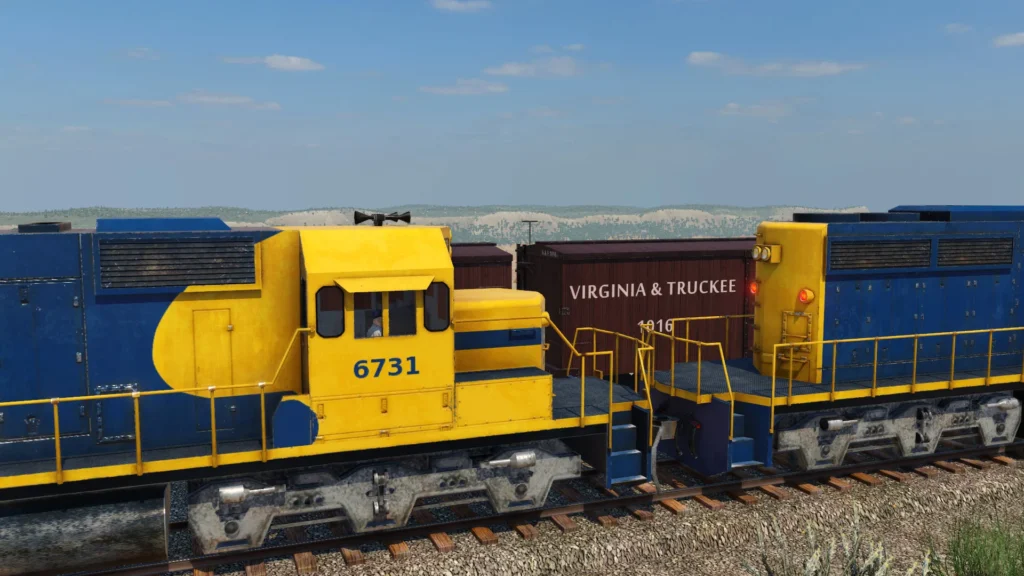
Controls and data views
Transport Fever 2 offers a graphical overview of lines, vehicles, routes and finances. Special data views show, among other things, traffic, emissions and economic relationships. The Console Edition has a user interface adapted for controllers.
The PC version also supports controllers, alongside mouse and keyboard.
Updated 29.10.2026
Languages and game modes
Transport Fever 2 is a single-player game. The PC version offers German on-screen text as well as other languages, including English, French, Italian, Spanish, Japanese and Polish.
A multiplayer economic simulation with a shared route network is not included in the game.
Updated 29.10.2026
Sources
Similar games

More from Urban Games
Game series
Transport Fever 2 was developed by Urban Games. The PC version was published by Good Shepherd Entertainment, and the console versions by Nacon. The title continues the transport simulation of the Transport Fever series and expands vehicle selection, economic chains and graphical presentation.
More from Transport Fever
Updated 29.10.2026
